
Waste Water Treatment Plant Strengthening New Delhi’s Urban Sanitation Infrastructure
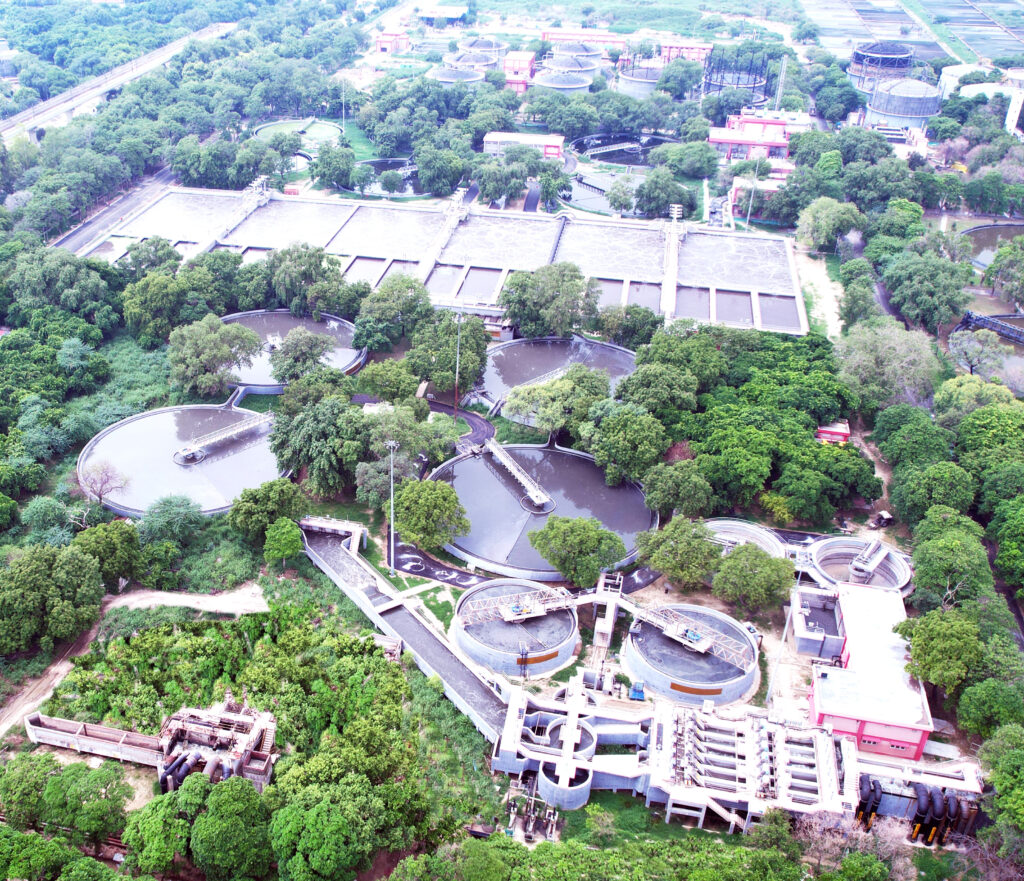
The rehabilitation and upgradation of the Rithala waste water treatment plant in New Delhi is a critical initiative under the Yamuna Action Plan, supported by the Japan International Cooperation Agency (JICA). Designed to deliver enhanced capacity of 182 million litres per day, the project reinforces the city’s long-term wastewater management capability and supports its mission to restore the Yamuna River.
Municipal Wastewater Treatment Plant Enhancing Capacity for a Growing Capital City
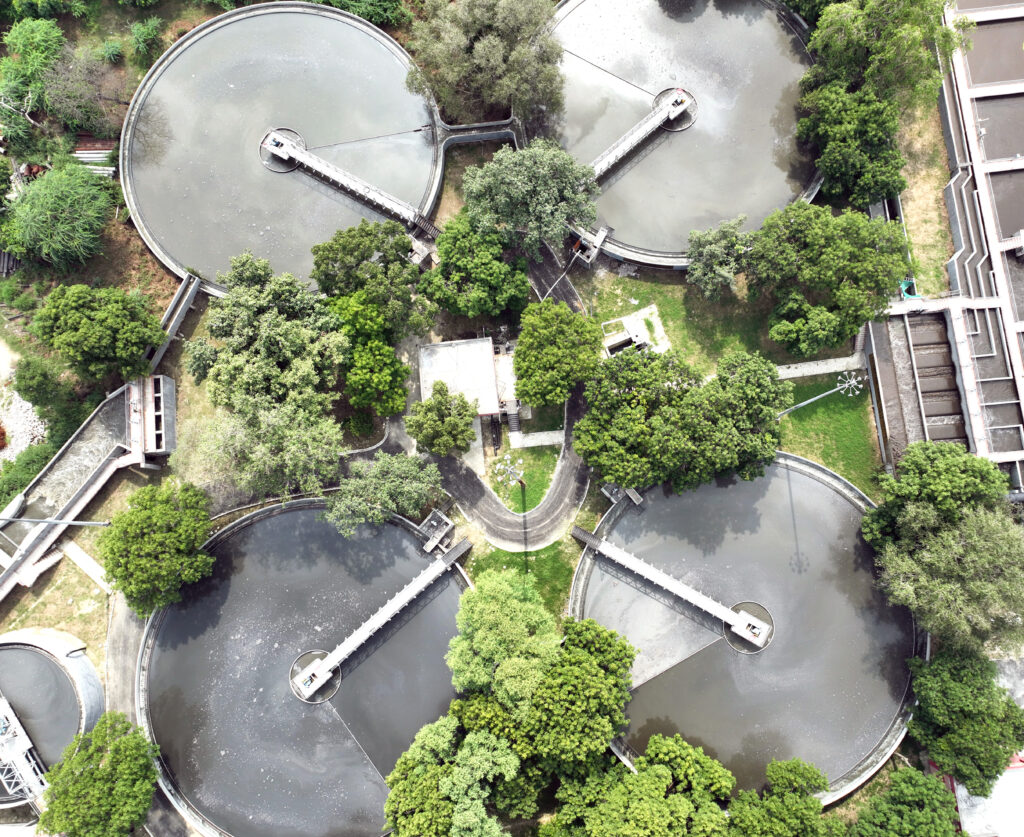
The modernised municipal wastewater treatment plant is engineered to safely treat large wastewater volumes generated by New Delhi’s expanding population. With upgraded biological treatment systems, improved nutrient removal and enhanced sludge processing, the waste water treatment plant ensures consistent performance and regulatory compliance across diverse operating conditions.
Waste Water Treatment Plant Integrating Biological Treatment and Sludge-to-Energy Systems
The upgraded facility incorporates advanced biological treatment using the MLE process for nitrogen removal, combined with biochemical precipitation for phosphorus reduction. Sludge from the sewage treatment plant undergoes anaerobic digestion to generate biogas, contributing to green power production and reducing dependence on grid electricity.
A Municipal Wastewater Treatment Plant Advancing Delhi’s Environmental Restoration Goals
By modernising critical infrastructure, this waste water treatment plant strengthens New Delhi’s wastewater ecosystem and supports long-term river rejuvenation efforts. The project reinforces WABAG’s role among leading wastewater treatment companies delivering sustainable sanitation infrastructure for large metropolitan regions.
Comprehensive DBO Scope for the Rithala Waste Water Treatment Plant
The contract covers design, engineering, supply, construction, installation and commissioning under a DBO model, supported by an 11-year O&M period. The scope includes rehabilitation of key units, upgrades to biological reactors, modernised sludge handling systems and integration of energy-efficient technologies to stabilise long-term plant operations.
Treatment Technology Ensuring Reliable Municipal Wastewater Management
The municipal wastewater treatment plant employs the MLE biological process for nitrogen removal, supported by chemical precipitation for phosphorus control. Enhanced aeration, optimised mixing and updated mechanical components improve treatment efficiency and ensure compliance with stringent discharge norms required under the Yamuna Action Plan.
Sludge-to-Energy Systems Supporting Sustainable Operations
Sludge from the sewage treatment plant is treated through anaerobic digestion, generating biogas used for green energy production. This energy recovery system reduces operational costs, enhances sustainability and positions the waste water treatment plant as a model for circular wastewater infrastructure.
Environmental and Social Impact on the Yamuna River Basin
The upgraded municipal wastewater treatment plant plays a key role in reducing pollutant loads entering the Yamuna River. By treating wastewater more efficiently and lowering untreated discharges, the plant supports improved public health, environmental safety and long-term ecological recovery of the river system.
Leadership Among Wastewater Treatment Companies Delivering Sustainable Solutions
WABAG’s execution of the Rithala waste water treatment plant highlights its engineering expertise and leadership among wastewater treatment companies. With a strong focus on sustainability, innovation and operational excellence, the project strengthens India’s urban sanitation framework and supports national river rejuvenation efforts.